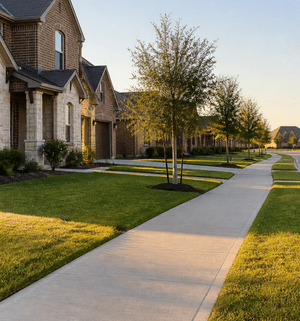
What's Changing in North Austin, TX? 7 Shifts to Know Before You Buy
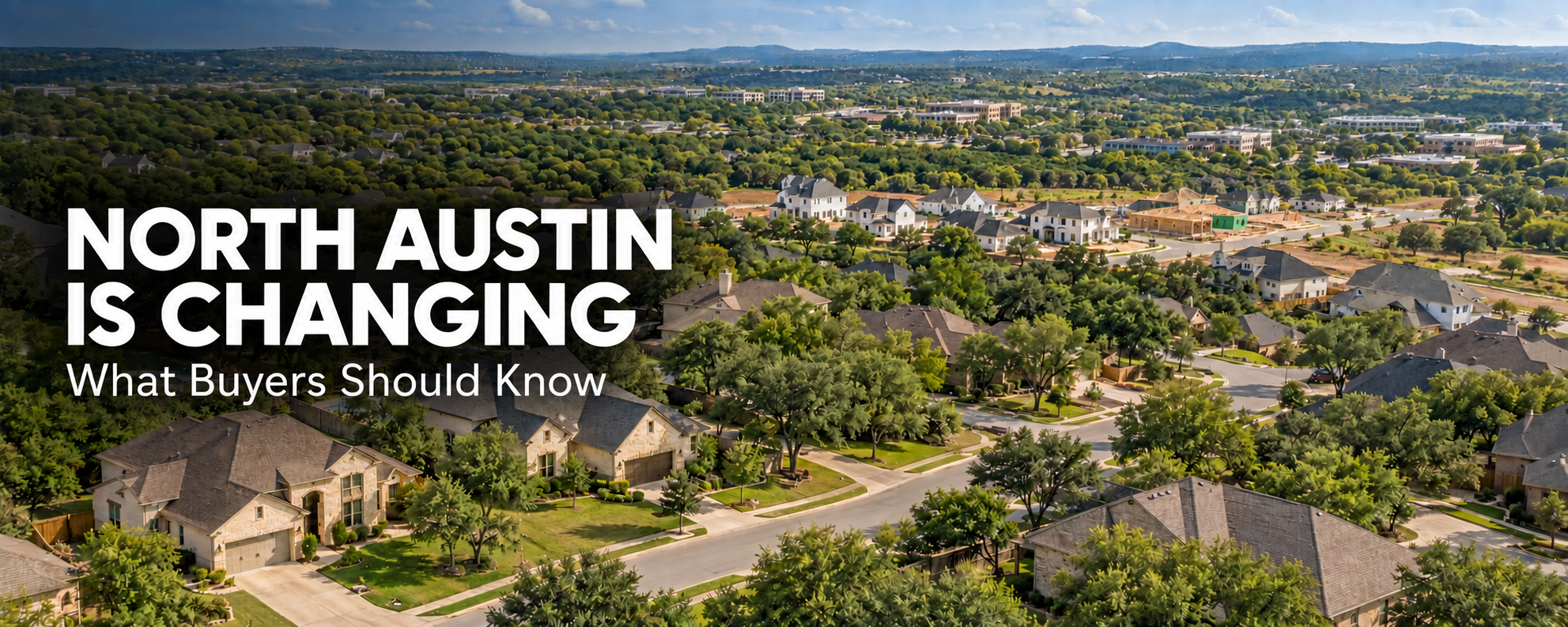
North Austin is being repriced by seven changes that are already locked in, funded, under construction, or signed into law. A new Samsung payroll, record county growth, a new lot-size law, builder price cuts, water planning, I-35 construction, and a new downtown in Leander are reshaping these towns faster than home prices have caught up.
Some of these are great news if you're buying. Some you need to know before you write an offer. Here's every one, in order, with what it means for your money. Every market number below is as of October 2026.
Key takeaways
Samsung's $17 billion plant in Taylor is bringing about 2,000 permanent jobs paying $90,000 to $160,000 a year, right next to Hutto, Round Rock, and Georgetown.
Hutto new construction runs in the mid $300s while a lot of the metro sits in the low to mid $400s, so the closest value town to Samsung hasn't repriced yet.
Builders are cutting hard: 56% of new construction across the metro has taken a price cut, and roughly 70% in Hutto and Georgetown.
Cedar Park, Leander, Round Rock, and Georgetown are already funding long-term water supply, years before they'll need it.
The I-35 rebuild from Round Rock to Georgetown hasn't started, so that construction headache is ahead of you, not behind you.
How is Samsung's Taylor plant changing North Austin?
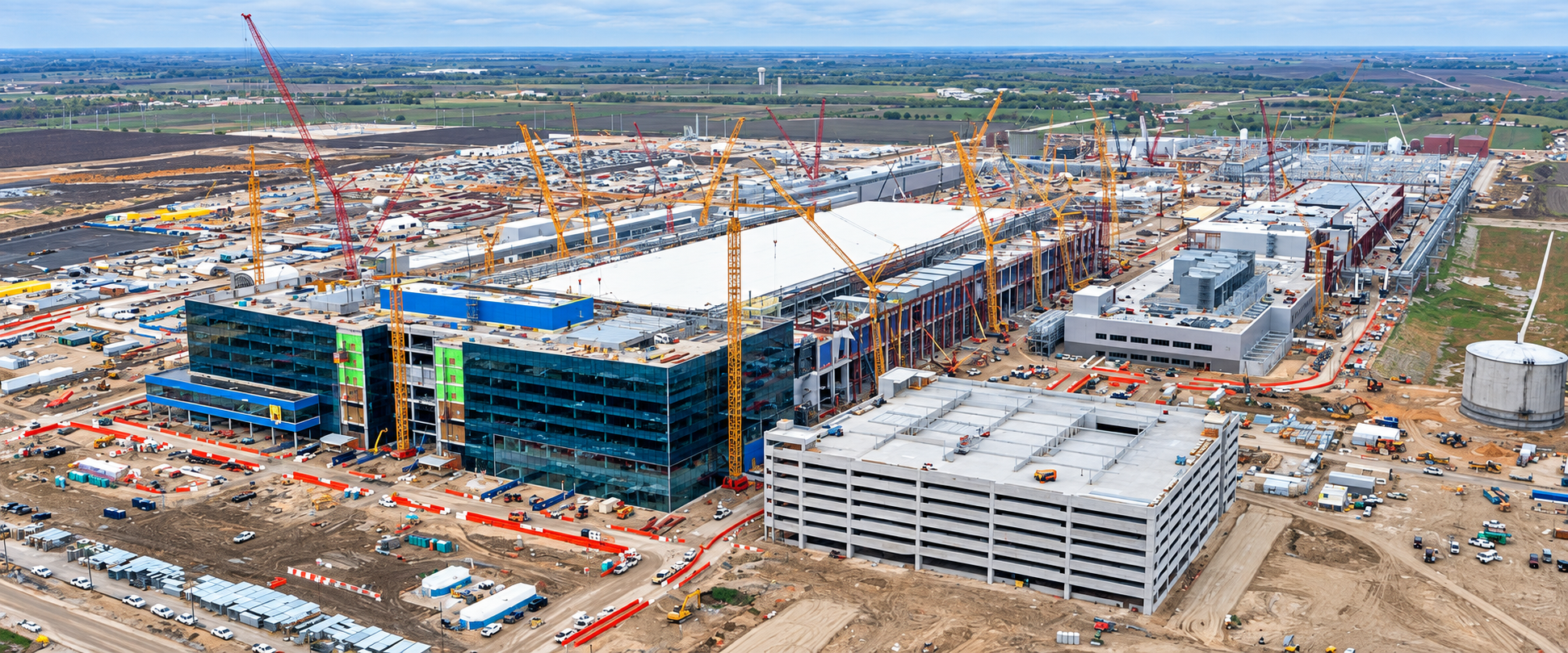
It's putting a high-wage payroll in a corner of the metro that never had one. That's the reason everything else on this list exists.
Five years ago, Taylor was the kind of town a lot of people moving to Austin couldn't have pointed to on a map. Corn and cattle as far as the eye can see, and a main street that rolled up early. Then Samsung picked it for a $17 billion semiconductor plant, the largest foreign investment in Texas history.
The campus is rising along Highway 79, about 35 to 40 minutes northeast of downtown Austin. It's bringing somewhere around 2,000 permanent jobs, mostly engineering and technical roles paying between $90,000 and $160,000 a year. Samsung is targeting the first phase going operational as soon as the end of this year, with a second plant already lined up behind it.
Now follow the money. Taylor sits at the eastern edge of the Hutto, Round Rock, and Georgetown run. That puts all three towns within a short commute of paychecks that didn't exist out here a few years ago.
It doesn't stop at the plant. Right across the road, East Village is going in: a roughly $1 billion, 425-acre development with homes, retail, restaurants, and a big nature preserve. It's basically a new town center built around the growth from that campus.
Why does Hutto matter here?
Hutto is the town that hasn't caught up. I live there, so I say this with love. Hutto still prices like an outer suburb.
New construction in Hutto runs in the mid $300s, while a lot of the metro sits in the low to mid $400s. So a brand new high-wage employer is parking itself next door, and the closest value town to it hasn't repriced yet. If you're buying, that gap is your opening. If you own out there, that demand is already sitting in your back pocket.
Are the suburbs north of Austin really growing that fast?
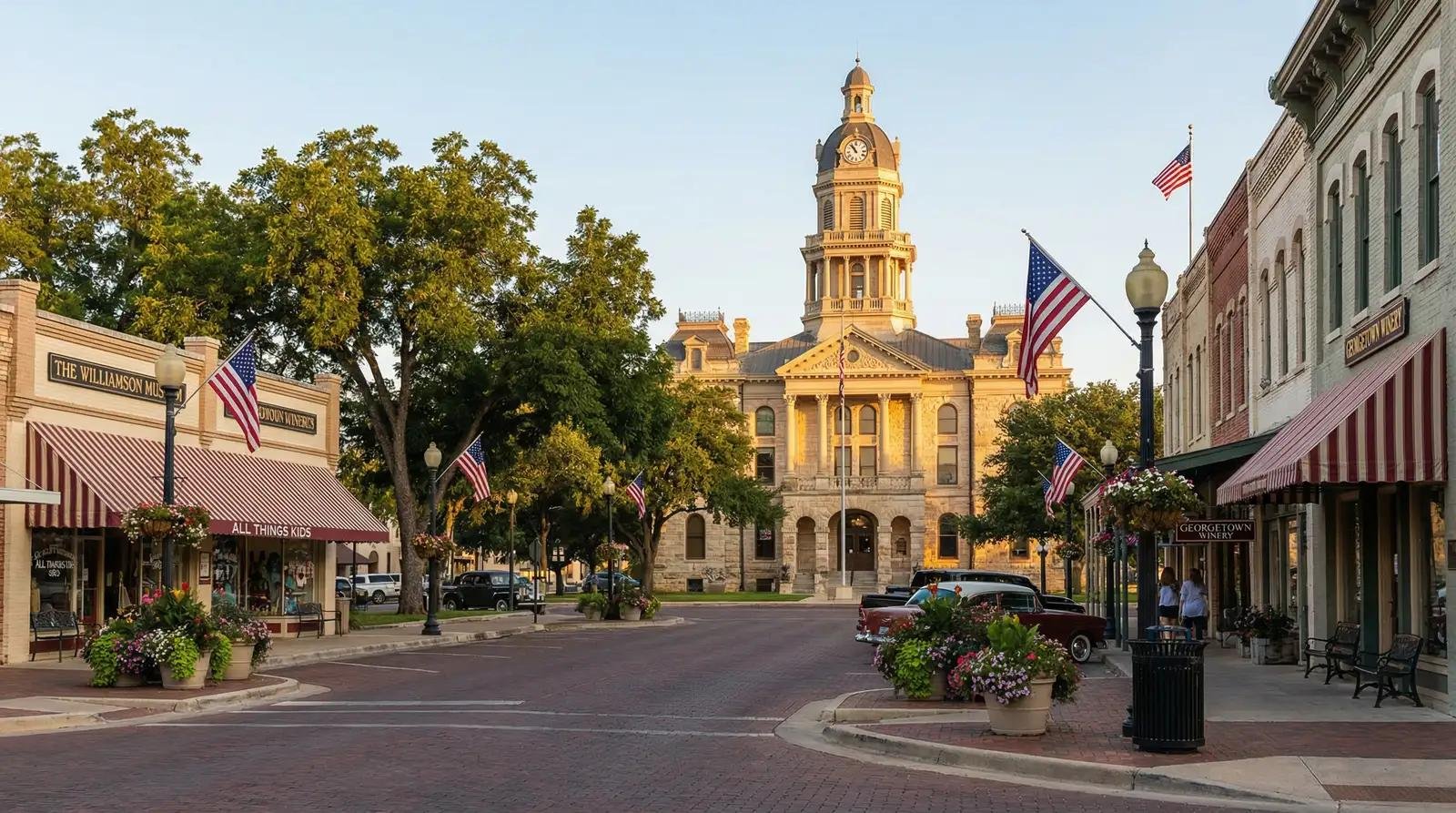
Yes. The suburbs are outgrowing the city they're supposed to be suburbs of.
SmartAsset's 2026 Boomtown study looked at more than 400 cities. Georgetown's housing and its workforce both grew 34% between 2019 and 2024. Leander came in fourth, with housing up 48%.
The county these towns sit in is growing its economy 7.7% a year, the highest of any county in the United States. Not the fastest in Texas. The fastest in the country.
These aren't sleepy bedroom towns you drive home to and never leave. When jobs, people, and money pile in this fast, you get new shopping, new restaurants, new medical, and new jobs closer to home. Home values tend to ride along with it. That's what drives long-term value.
What does Texas Senate Bill 15 mean for North Austin homes?
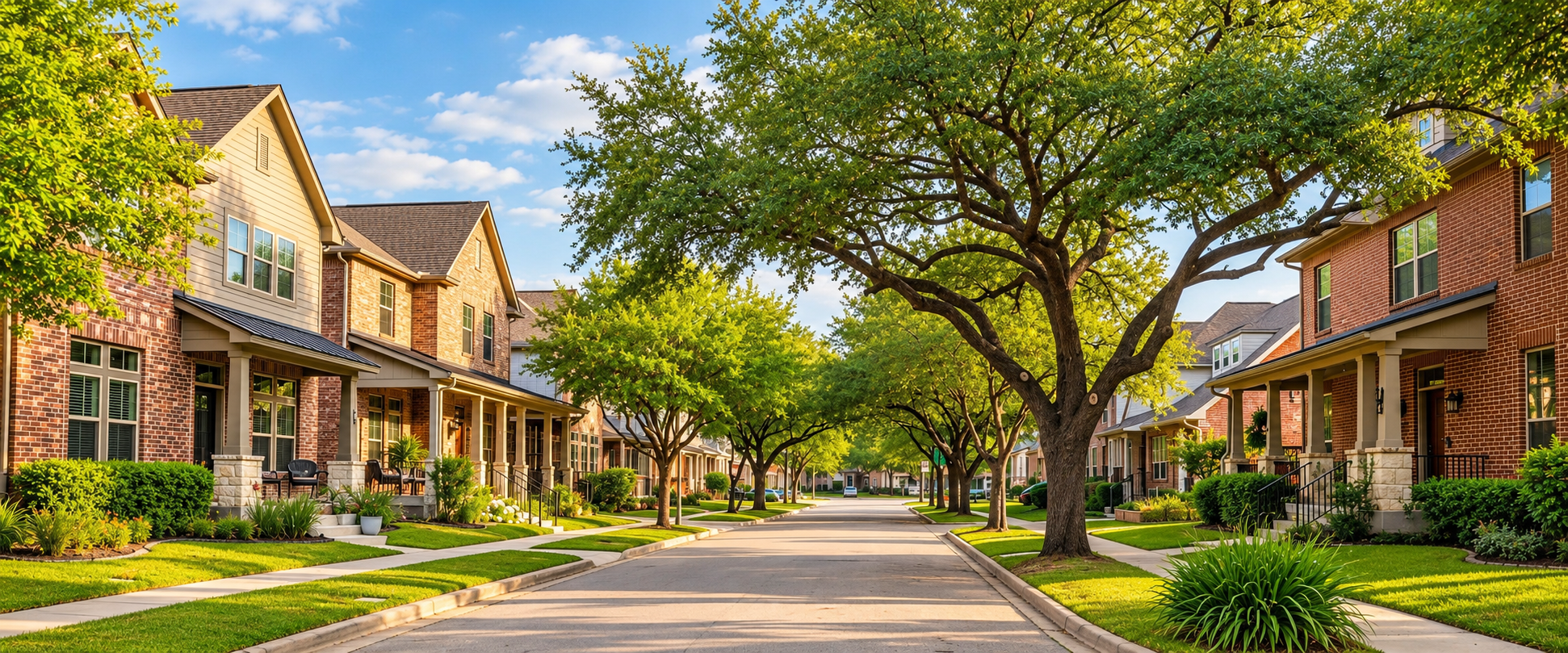
It's a new Texas law that forces covered cities to allow smaller lots, so builders can put up smaller, lower-priced homes, and more of them. Almost every building rule you've heard of makes it harder to build homes. This one does the opposite on purpose.
Senate Bill 15 kicked in September 1, 2025. In the cities it covers, a city can't require a single-family lot to be bigger than 3,000 square feet, wider than 30 feet, or deeper than 75 feet.
Which cities does SB 15 cover?
This law gets misreported constantly, so go by the number in the law. It only applies to cities with more than 150,000 people, inside counties with more than 300,000 people, on unplatted tracts of five acres or more.
Across this metro, that basically means Austin and nobody else right now. The closest city to that line is Round Rock, home to Dell's global headquarters, with a population around 143,000. At the rate it's growing, Round Rock crossing that threshold is about when, not if.
Does SB 15 change my existing neighborhood?
No. It doesn't touch built-out neighborhoods, and it doesn't override HOA rules or deed restrictions. If you're in a built-out subdivision, nothing changes about your street.
What it hits is raw land that hasn't been platted yet. That happens to be most of the open ground between Georgetown and Liberty Hill. If you're buying, read it as a signal: a wave of smaller, lower-priced new construction is on the way.
Do buyers have leverage on new construction in North Austin right now?
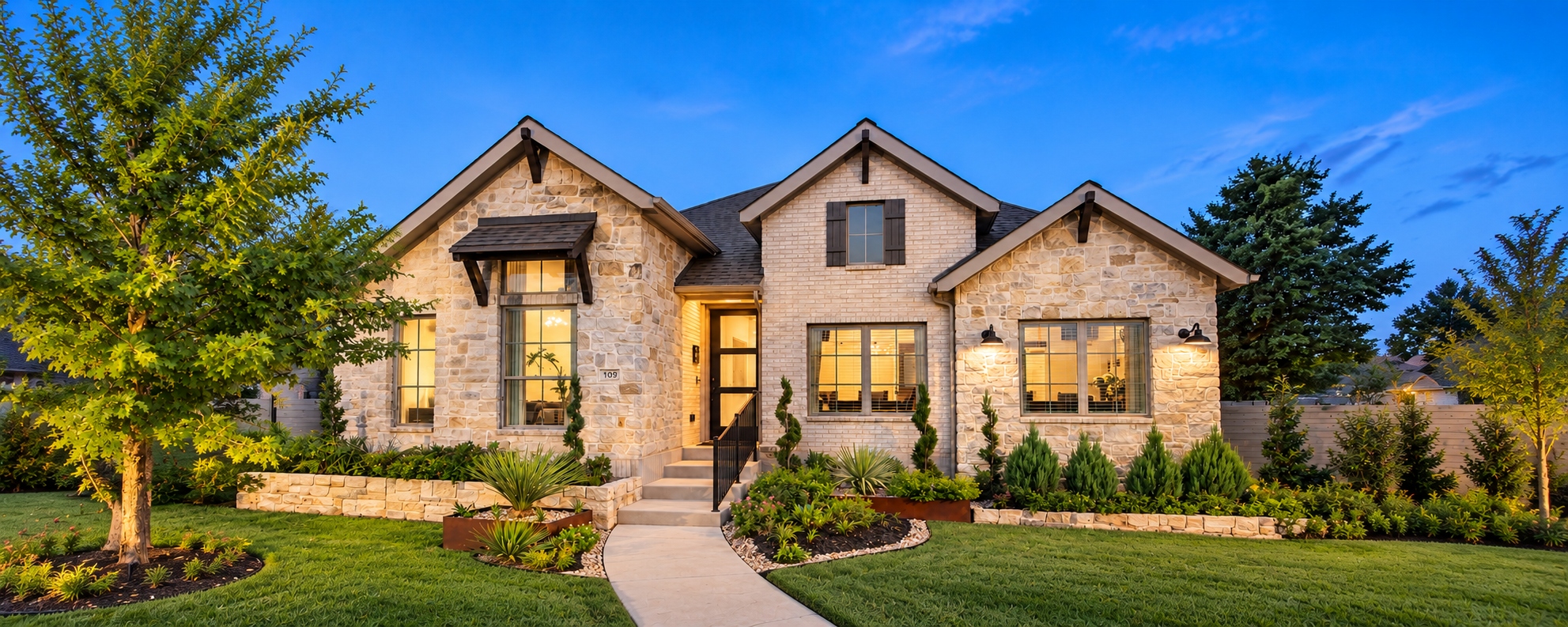
Yes, more than buyers have had in years. Take a lap through the new subdivisions in Hutto or Liberty Hill and you'll see builder signs on lawn after lawn, and half of them say price reduced.
As of October 2026, new construction makes up 27.3% of everything for sale across the metro. In the north and east suburbs, builders dominate:
Liberty Hill: about six out of every 10 homes for sale are builder inventory.
Hutto: over half.
Georgetown: more than 350 new construction homes for sale.
And the builders are motivated. 56% of all that new construction has already taken a price cut. In Hutto and Georgetown, roughly 70% of homes have dropped their price at least once.
Perry Homes alone has cut 87% of its listings. That's a builder ready to make a deal today.
Your leverage isn't only on the sticker price. Builders here are moving on price, on rate buydowns, and on covering some of your closing costs. The deals run deepest in Hutto, Liberty Hill, and Georgetown. That's negotiating room buyers a couple of years ago would have killed for.
What should North Austin sellers know about competing with builders?
Price against the builder, not just your neighbor. If you own a resale home in one of these subdivisions and you're about to list, your competition is a builder three streets over.
That builder has a model home, a full-time sales team, and an incentive package you can't match on your own. You're pricing against that, so you'd better price like it. Get this right and it's the difference between your home selling and your home sitting on the market for six months.
Is there enough water for North Austin's growth?
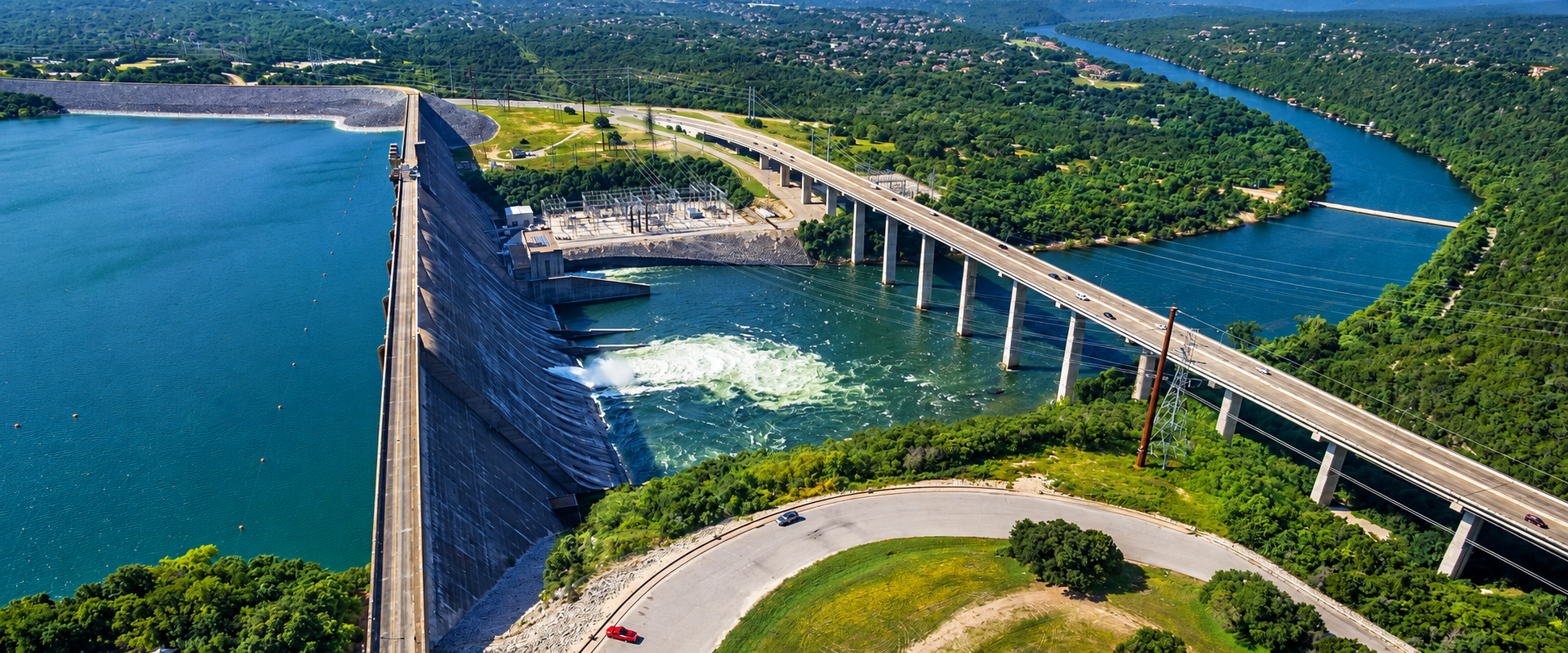
Yes, and the cities started planning for it years before they'll need it. It's the worry I hear on almost every relocation call, and it's the one people have most backwards. It's not the dealbreaker it sounds like.
You've probably seen the Corpus Christi water scare. That's a different city, way down on the Gulf Coast and nowhere near Austin. Its main reservoir dropped to 11.8% of capacity in October 2025.
The rain has since come back, levels recovered to 67.8%, and the city eased restrictions to Stage 2 as of August 2026. A permanent fix like desalination won't be running before late 2029.
What did North Austin cities do about it?
They watched that and moved early. Cedar Park, Leander, Round Rock, and Georgetown teamed up with Williamson County and the Brazos River Authority. They formed a joint water group last November and funded a $500,000 engineering study that started in April to lock down new supply for the long haul.
The county judge put it plainly: he's after a 50-year water solution, not something that only gets them through the next five to 10 years. On top of that, Texas now has a historic water fund with roughly $20 billion earmarked for this kind of infrastructure, and these four cities are in line to tap into it.
Leander even locked in water capacity for its new downtown before breaking ground. The city planned for the growth before it got here.
When will I-35 traffic north of Austin get better?
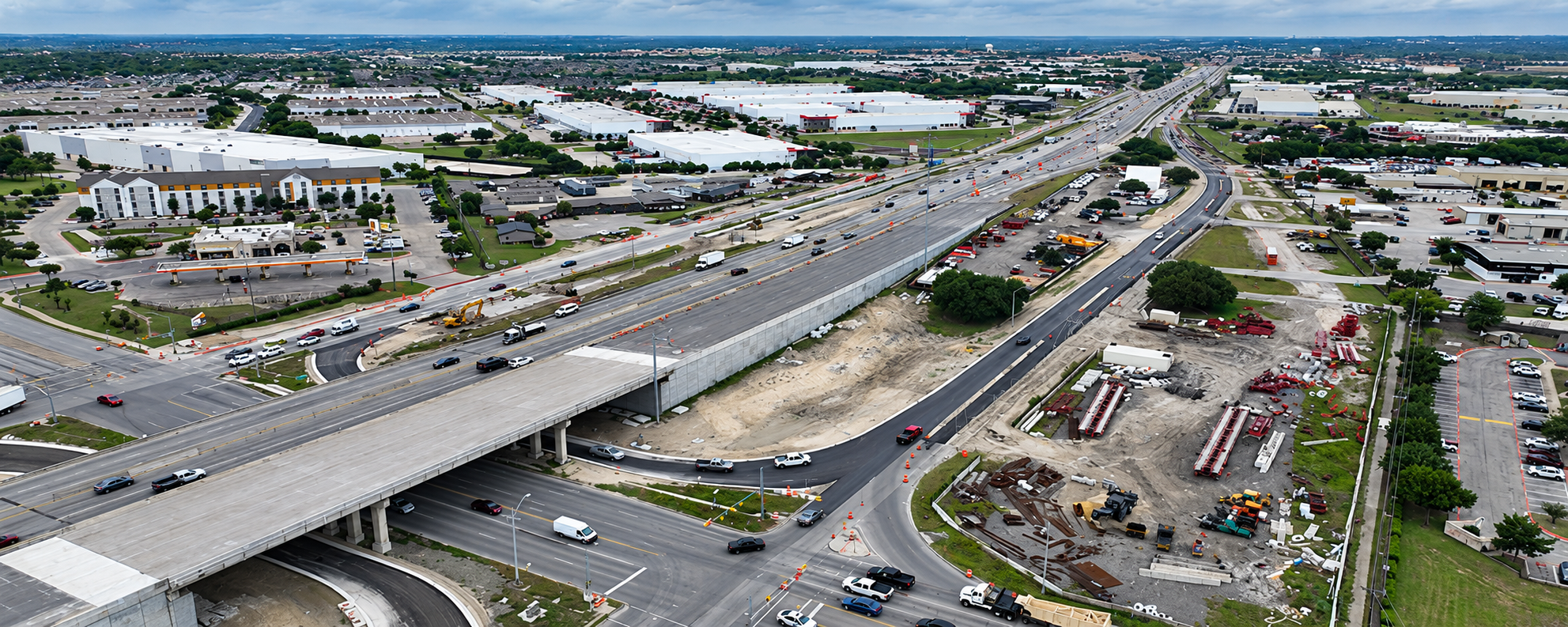
It depends which stretch you mean. There are two separate I-35 projects on the north side, and only one has crews working on it.
What is Capital Express North?
Capital Express North is fully funded and already under construction. It covers the stretch south of Round Rock, from State Highway 45 North down toward Highway 290. It adds one managed HOV lane in each direction, rebuilds six bridges, and puts in a diverging diamond interchange at Wells Branch. It broke ground in 2023 and wraps up in early 2029.
What about I-35 from Round Rock to Georgetown?
That piece hasn't broken ground. It's a completely separate project, still in early design with environmental studies underway. TxDOT only held a public open house for it in August 2026.
Translation: that construction headache is ahead of you, not behind you. When it starts, the plan calls for two HOV lanes in each direction, plus an extra main lane on part of the project.
I live in that traffic every week. If I'm going anywhere, I build in an extra 15 minutes, usually for surprise traffic or hunting for a parking spot. Sometimes both.
The flip for a buyer is a big one. None of that future highway capacity is priced into the homes along there yet. There's no start date on the northern piece, so there's nothing for the market to price against.
The commute pain is real today. The relief, and the value that comes with it, is still out in the future.
What's being built in downtown Leander?
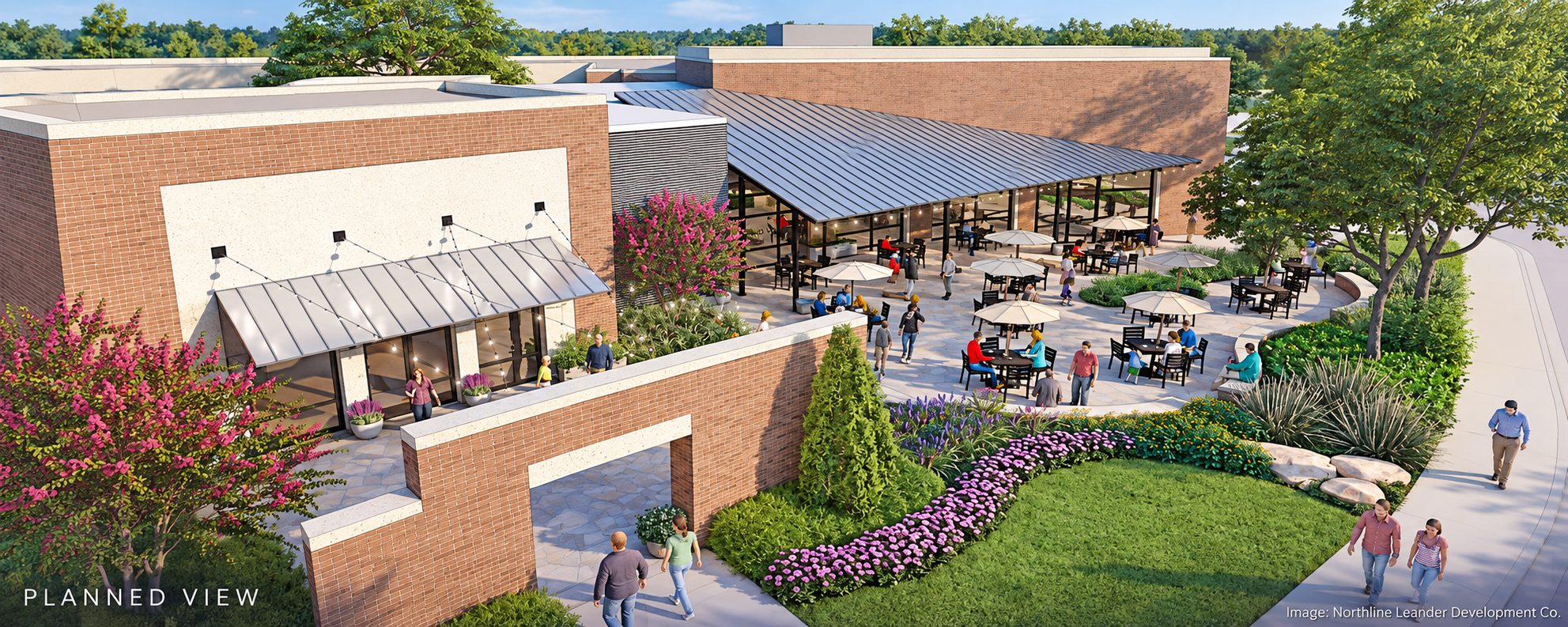
A whole new downtown called Northline, on ground that was an open field a few years ago. It's the town transforming more than any other up here.
Northline is a 116-acre downtown district between the 183A Toll Road and Highway 183. When it's done, it's projected to be worth close to a billion dollars, with nearly 1 million square feet of restaurants, shops, offices, homes, and a central plaza, all master planned as one piece. Buildout runs into the 2030s, and construction is already well underway.
It's not the only thing Leander has cooking. There's also a 115-acre business park with 1.3 million square feet of industrial space, plus a $48 million development bringing retail and restaurants.
Leander spent years known mainly as the last stop on the commuter rail line. Now it's turning itself into a place worth the drive. Because Northline won't finish for years, the homes around it are still trading on what Leander used to be, not on what's being built into it.
What do all seven changes add up to?
Value being created before the market has fully priced it in, because so much of it is still taking shape. Samsung's payroll next to Hutto, a county outgrowing its biggest city, smaller lots coming to new construction, builders handing buyers leverage, water locked in for 50 years, a highway that will eventually open things up, and a new downtown in Leander.
You're early, and that's the opportunity. Don't make a move this big on the North Austin you remember. Read what's already been decided instead of guessing. And if you're not sure you need to move, staying put is a real answer too.
Before you pick a town, compare them side by side on taxes, schools, commute, and what each one actually costs you every month.
Explore the North Austin, TX Community
Frequently asked questions
How many jobs is the Samsung Taylor plant bringing to North Austin?
Samsung's $17 billion semiconductor plant in Taylor, northeast of Austin, is bringing somewhere around 2,000 permanent jobs, according to Tucker Cummings. Most are engineering and technical roles paying between $90,000 and $160,000 a year. Samsung is targeting its first phase going operational as soon as the end of 2026, with a second plant lined up behind it. That puts Hutto, Round Rock, and Georgetown within a short commute of the new payroll.
Is Hutto, TX cheaper than the rest of the Austin metro?
As of October 2026, new construction in Hutto, TX runs in the mid $300s, while a lot of the Austin metro sits in the low to mid $400s. Hutto still prices like an outer suburb even though it's the closest value town to Samsung's new plant in Taylor. Builders in Hutto are also cutting prices, with roughly 70% of homes there dropping their price at least once.
Does Texas SB 15 apply to Round Rock or Georgetown?
Not right now. Texas Senate Bill 15, which took effect September 1, 2025, only applies to cities over 150,000 people in counties over 300,000 people, on unplatted tracts of five acres or more. In the Austin metro that basically means Austin alone. Round Rock, at around 143,000 people, is the closest to crossing that line. SB 15 doesn't override HOA rules or deed restrictions in existing subdivisions.
Will North Austin suburbs run out of water?
Cedar Park, Leander, Round Rock, and Georgetown are planning so they don't. Those four cities teamed up with Williamson County and the Brazos River Authority, formed a joint water group, and funded a $500,000 engineering study to lock down new supply. The county judge is after a 50-year water solution. Texas also has a water fund with roughly $20 billion earmarked for this kind of infrastructure, and those cities are in line for it.
When will I-35 construction north of Austin be finished?
Capital Express North, the I-35 project from State Highway 45 North down toward Highway 290, broke ground in 2023 and wraps up in early 2029. The separate I-35 project from Round Rock to Georgetown hasn't broken ground yet. It's still in early design, with a TxDOT public open house held in August 2026, so that construction is still ahead for North Austin commuters.